Short answer
Most orders do not need a second box
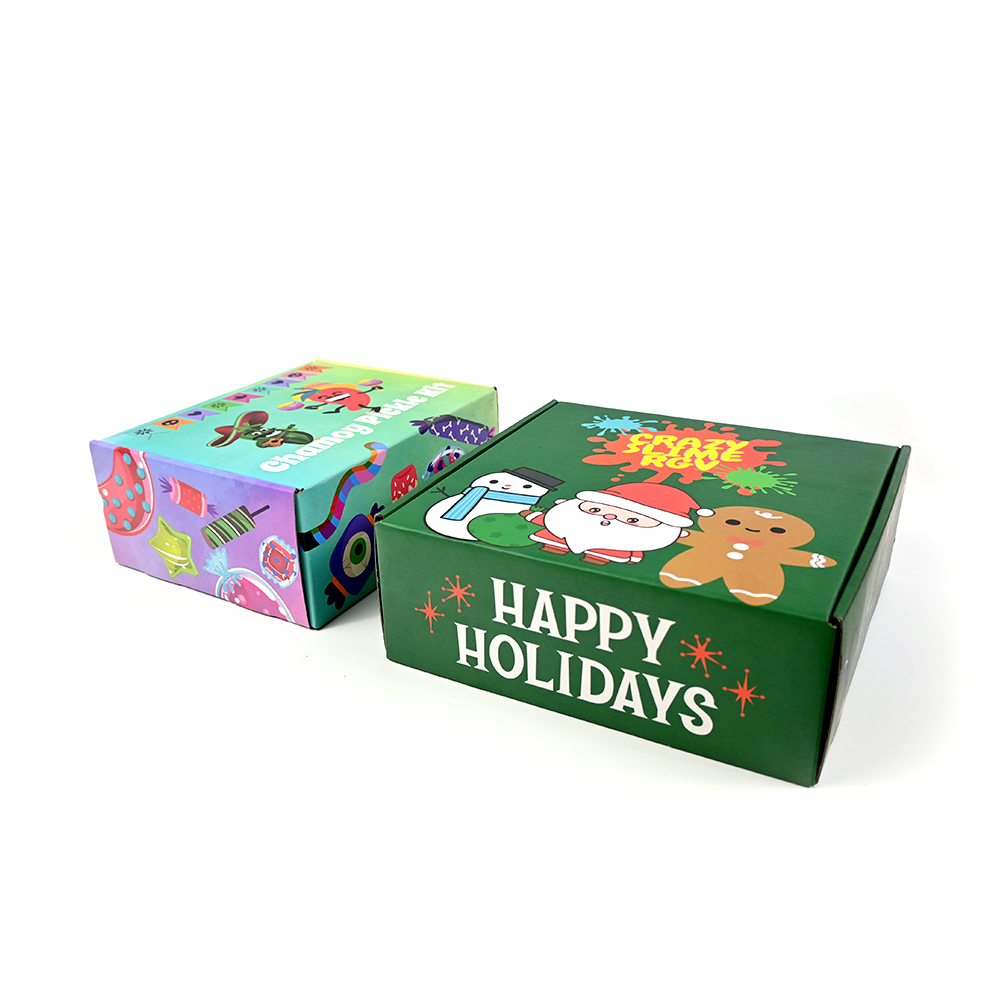
In Papyrn's experience, most printed mailer-box projects ship without an additional outer box. When suitable internal packing keeps the product stable and protected, direct shipment is often the simpler choice. If the contents are fragile and there is no effective internal protection, consider an outer shipping box as part of a revised pack. An outer box is not an automatic fix: the product still needs to be secured inside. Approve the complete packed configuration before ordering in volume.
Three practical situations
- Stable contents with suitable internal packing: a printed mailer can often be the shipping box. Filler or a fitted insert should address the actual gaps and movement in that product set; simply seeing paper inside is not proof of protection.
- Fragile contents with little or no protection: do not assume the printed mailer alone is enough. Review internal cushioning or a fitted insert and, where needed, an outer shipping carton. Test the resulting two-box pack as a whole.
- Appearance-sensitive presentation: even if the product is protected, direct shipment exposes the print to labels, handling marks and possible scuffs. If an unmarked presentation box is essential, an outer carton may be worth the extra material and freight.
These are decision prompts, not universal shipping rules. Product weight, breakability, box construction, packing method and delivery route can change the answer.
What changes when the printed box is the shipping box?
The printed surface becomes the parcel exterior. Plan a practical place for the shipping label and any necessary tape without obscuring information or spoiling an important design. Close the sample with both side tucks fully seated and check that the lid stays closed through normal handling. If the intended closure needs additional sealing, include that in the approved pack specification.
Inside the box, focus on whether the actual products can shift, strike one another or press against the walls. Tissue paper can wrap or present an item, while loose filler may occupy gaps; neither should be treated as a substitute for a verified protective packing method for a fragile product. See our tissue-versus-filler guide and insert-versus-filler guide for the different roles.
Check a packed sample before deciding
- Put every real item into the proposed mailer, including retail packs, cards and inserts. Use the actual filler or cushioning quantity and record it.
- Close the lid and both side tucks. Reopen the box to look for crushed edges, pressure marks or parts that have moved.
- Apply a sample shipping label and the intended seal to the exterior. Decide whether the appearance is acceptable after handling.
- For fragile or higher-risk shipments, test the complete packed product under a procedure appropriate to its route and carrier requirements. If adding an outer carton, test that final configuration rather than assuming the extra layer solves the problem.
- Keep photographs and the approved box, contents and packing specification so production uses the same configuration.
For context, ISTA describes parcel-shipping tests for packaged products, including Procedure 3A for individual parcels. A quick in-house check can catch obvious fit problems, but it is not the same as a formal transit test. FedEx also advises preparing a test package with all intended contents and packaging components.
What to send for a packaging recommendation
Share the product dimensions and weight, what is fragile, the full packed layout, the mailer's proposed inside size, the planned filler or insert, order quantity and destination. Tell us whether the printed exterior may carry a shipping label and normal handling marks. Papyrn can then review a direct-ship mailer and, if warranted, a mailer-plus-outer-carton option against the same product.
If the mailer fit is still uncertain, start with the physical fit guide. The closing side tucks occupy space, so dimensions of the products alone do not establish whether the assembled box works.
Published November 5, 2026. Papyrn's "most orders" observation describes its project experience, not a failure-rate study or a guarantee that every printed mailer can ship alone. Transit suitability must be checked with the real product and final packing method.